Best Earrings for Sensitive Ears
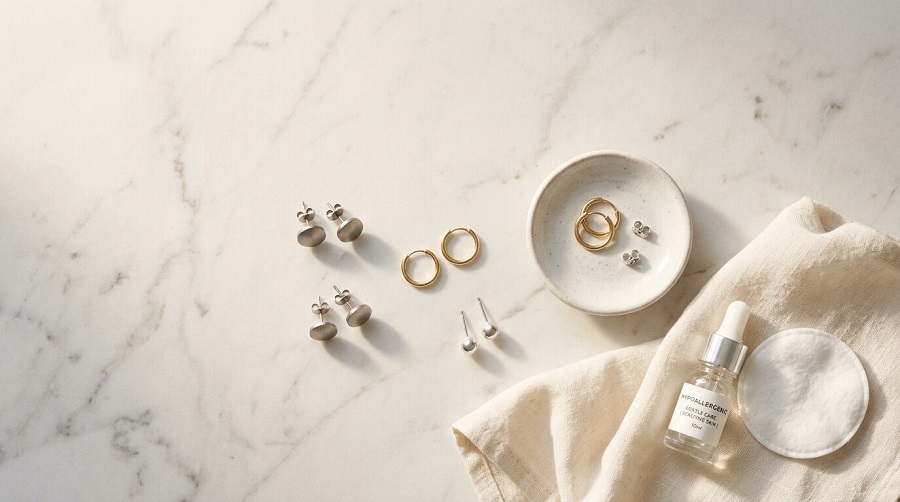
If your ears itch, swell, or turn red after wearing earrings, you're not alone. The culprit is usually the metal, and knowing which ones to avoid can make all the difference. Not every earring labeled "hypoallergenic" actually protects sensitive skin. The right choice comes down to material, quality, and how you care for your jewelry, and what you'll discover next might surprise you.
Why Most Earrings Irritate Sensitive Ears
Irritation from earrings often traces back to the materials used, nickel being one of the most common culprits behind redness, swelling, and itching. It’s frequently found in lower-cost metals and plated jewelry, where the outer layer can wear down over time, exposing the skin to reactive elements underneath. Even pieces labeled “hypoallergenic” aren’t always reliable, as standards vary and trace amounts of nickel or other irritants may still be present.
This is where working with a trusted source becomes essential. Platforms like denne hjemmeside reflect the value of choosing suppliers who understand the local market, material standards, and consumer sensitivities. For example, someone shopping within a specific region can benefit from curated selections that prioritize safer alloys or clearly labeled compositions, reducing the guesswork and helping avoid unnecessary skin reactions.
Beyond materials, design plays a quieter but equally important role. Heavier earrings, rough finishes, or closures that tug can create constant friction against the skin, making even mild sensitivities feel worse. Paying attention to both composition and construction ensures not just comfort, but long-term wearability without irritation.
The Best Metals for Sensitive Ears
Choosing an appropriate metal is important for individuals with sensitive ears. Titanium is generally considered a very safe option because it's typically nickel-free, lightweight, and biocompatible, which reduces the risk of irritation.
Solid 14K gold or higher is also a suitable choice, as it usually contains fewer reactive alloys and doesn't rely on a surface coating that can wear away over time. Surgical-grade stainless steel (such as 316L) can work for many people with sensitive ears, but it's advisable to confirm that the specific alloy has low nickel release, since nickel is a common cause of contact dermatitis.
Sterling silver (.925) is well tolerated by many users with sensitive ears, though its copper content can cause reactions in those who are especially reactive. In contrast, gold-plated and most costume jewelry are more likely to cause problems. Their thin plating can wear off, exposing underlying base metals that often contain nickel or other reactive components, which can trigger irritation or allergic responses.
How to Tell If Earrings Are Actually Safe for Sensitive Ears
When shopping for earrings for sensitive ears, start by checking the metal description. Look for implant-grade titanium, 14K or higher solid gold, 14K gold-filled, platinum, or 316L surgical stainless steel. These materials are generally considered biocompatible and are less likely to contain problematic levels of nickel.
Be cautious with vague terms such as “hypoallergenic” or “gold-plated.” A thin layer of plating can wear off with regular use, potentially exposing a base metal that may contain nickel or other irritants. When possible, look for explicit statements such as “nickel-free,” supporting certifications, or dermatologist-tested claims from reputable sources.
Design and fit can also influence comfort. Screw-backs, flat flower backs, and small huggie styles tend to stay in place and are less likely to catch or move excessively, which can reduce friction and irritation.
Finally, avoid low-cost earrings with unclear or missing material information. Brands that clearly specify medical-grade or tested materials provide more reliable options for people with sensitive ears.
Best Earrings for Sensitive Ears, Ranked
Now that you know what to look for, here are some of the most suitable earring materials for sensitive ears, ranked by material safety, comfort, and overall value.
Implant-grade titanium is generally considered the best option. It's nickel-free, lightweight, and commonly recommended by dermatologists and piercers for continuous wear.
Solid 14K or higher gold ranks next, as it's durable and typically contains little to no nickel when purchased from reputable sources.
High-quality 14K gold-filled pieces follow, offering a thicker bonded gold layer over a base metal, which reduces direct skin contact with potential irritants.
Surgical-grade 316L stainless steel and .925 sterling silver are practical, budget-friendly choices, provided the manufacturer clearly discloses the alloy composition, especially any nickel content. These materials work well for many people, but may still cause irritation in those with very high sensitivity.
It is advisable to avoid thinly gold-plated jewelry and items marketed only as "hypoallergenic" without specific material details, as these terms aren't strictly regulated and may not reflect true suitability for sensitive skin.
Whenever possible, purchase from brands that provide transparent material information, relevant certifications, and clear return or irritation policies.
How to Care for Sensitive Ears and Your Earrings
Caring for sensitive ears involves both selecting appropriate materials and maintaining careful hygiene. Before and after each use, clean your earlobes and earring posts with warm water and a mild, fragrance-free soap or a sterile saline solution to reduce the buildup of oils, skin cells, and bacteria. Avoid wearing the same pair of earrings continuously. Allowing 24–48 hours without earrings every few days can help limit irritation and pressure on the skin.
Replace loose or worn earring backs to maintain a secure fit and reduce friction. Store earrings in a clean, dry, closed container to limit exposure to moisture and air, which can contribute to tarnishing and potential skin irritation. If you experience persistent redness, itching, pain, or swelling, remove the earrings and seek evaluation from a dermatologist, who can help identify possible contact allergies, such as sensitivity to nickel or other metals.
Conclusion
Your ears deserve jewelry that loves them back. Stick with implant‑grade titanium, solid 14K+ gold, or gold‑filled pieces, and you'll dodge most reactions before they start. Clean your posts regularly, swap out worn backs, and give your lobes breathing room between wears. If irritation persists, see a dermatologist. With the right metals and a simple care routine, you can wear earrings comfortably every single day.